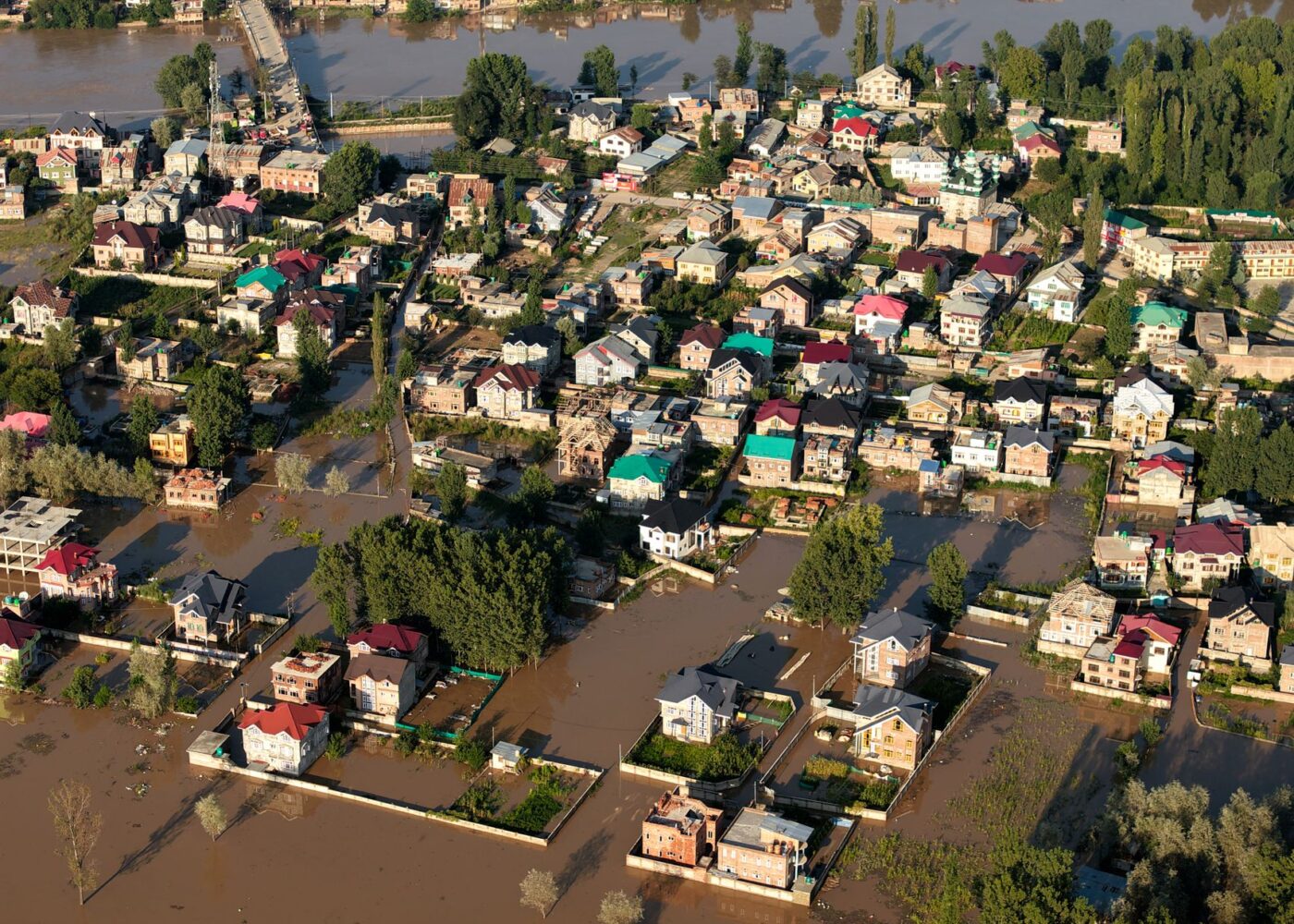
On May 21, NOAA forecast a below-normal Atlantic hurricane season, putting the odds at 55% for fewer storms than usual and only 10% for more. That’s good news, and it’s exactly the kind of good news that talks people out of buying flood insurance. It shouldn’t. A quiet forecast says nothing about whether one storm stalls over your town, and the flood insurance waiting period on a federal policy is 30 days, which makes waiting until a storm is named pointless.
Here’s the calendar math. A National Flood Insurance Program policy bought today, June 4, takes effect on July 4. One bought August 11 takes effect September 10, which is roughly the statistical peak of hurricane season. One bought the week a storm shows up in the Gulf covers you after the water has already gone down. If you live anywhere water can collect, and that’s most of the country, the decision about this season’s flood coverage is really a decision you make in early summer.
How the flood insurance waiting period works
FEMA’s rule is simple: a new NFIP policy generally doesn’t take effect until 30 days after you buy it. The main exception is when flood insurance is required as part of making, increasing, or renewing a federally backed mortgage on a property in a high-risk zone, in which case coverage can start at closing. There’s also a narrow exception for flooding on federal land caused by post-wildfire conditions, which matters in parts of the West and nowhere near a hurricane coast.
The waiting period exists for an obvious reason. Without it, people would buy coverage when the forecast cone points at them and drop it in November. The consequence for you is that flood insurance can’t be an emergency purchase. Some private flood insurers have shorter waiting periods than the NFIP, so if you’re getting quotes, ask each one for the exact number of days before coverage starts. Don’t assume.
Standard homeowners policies don’t cover flood. That includes the water that comes in from storm surge, an overflowing creek, or rain that pools faster than the ground absorbs it. The wind that rips your roof off is a homeowners claim. The water that comes up through the floor is not.
A below-normal forecast doesn’t make flooding less likely where you live
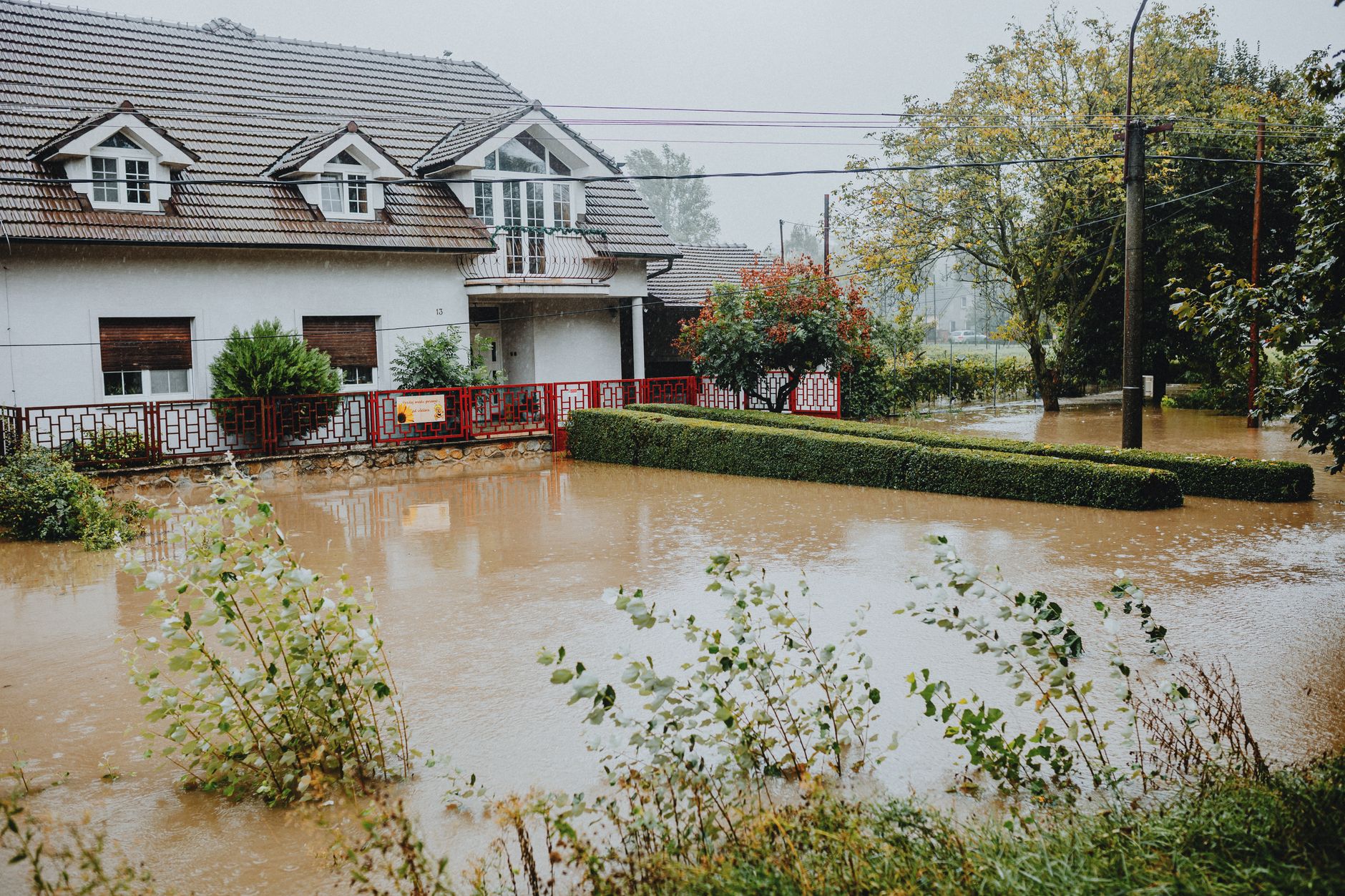
NOAA’s outlook gives a 70% chance of 8 to 14 named storms, 3 to 6 hurricanes, and 1 to 3 major hurricanes. Even the low end of that range is eight storms. Those counts describe the whole Atlantic basin. A slow season with one storm that parks over your watershed is a worse season for you than a busy one that stays out at sea.
Hurricane Helene is the case that should end the “I’m not on the coast” argument. When it flooded western North Carolina in 2024, a Washington Post analysis of FEMA data found that fewer than 1% of households in Buncombe County, home to Asheville, had flood insurance. Across inland counties in the seven states Helene hit, coverage was about 0.8%, compared with roughly 21% in the coastal counties. In Mitchell County, FEMA counted 31 flood policies for more than 8,600 housing units. These were places hundreds of miles from salt water, where most homeowners had never been told they needed coverage.
The NFIP’s own deadline lands at peak season
There’s a second clock this year that few homeowners know about. Congress has to keep reauthorizing the National Flood Insurance Program, and it has been doing it in short extensions for years. When the government shut down last fall, the program’s authority lapsed for 43 days starting October 1, 2025, the longest lapse on record, and FEMA couldn’t sell new policies or process renewals during that time. Congress then extended it to January 30, and after another brief shutdown in February, reauthorized it through September 30, 2026.
September 30 is right in the busiest stretch of hurricane season. If Congress misses that deadline again, you may not be able to buy a new NFIP policy at all until it acts, and the 30-day clock wouldn’t start until then. The program writes about 88% of the country’s flood insurance, with more than 4.6 million policies in force, so a lapse isn’t a niche problem. Buying now takes this risk off your list entirely.
The math on a policy you may never use

Flood insurance feels like money thrown away in every year it isn’t used, so it helps to put numbers on it. FEMA estimates that just one inch of water in a home can cause about $25,000 in damage. In North Carolina, the average NFIP premium is about $1,187 a year, according to LendingTree data cited by the News & Observer in February.
Divide the premium by the damage and you get 4.75%. Put another way, a single one-inch flood costs as much as 21 years of premiums at that average rate. A home in a FEMA high-risk zone has at least a 1% chance of flooding each year, and over a 30-year mortgage that compounds to a 26% chance of at least one flood (one minus 0.99 raised to the 30th power). Those are better odds of a claim than most people assume when they decline coverage at closing.
Your premium could be higher or lower than the North Carolina average; under FEMA’s current pricing system, rates depend on your home’s specific elevation, distance to water, and rebuilding cost. The only way to know is to get a quote, which an agent who sells homeowners insurance can usually do in one call. NFIP coverage tops out at $250,000 for the building and $100,000 for contents on a one-to-four-family home, so higher-value homes may need excess or private coverage on top.
Florida is already forcing the issue
If you have a Citizens Property Insurance policy in Florida, flood coverage may not be optional much longer. Citizens already requires flood insurance on homes in special flood hazard areas. For homes outside those zones, the requirement has been phasing in by dwelling value: $600,000 and up starting in 2024, $500,000 and up in 2025, $400,000 and up as of January 1 this year, and every policy regardless of value starting January 1, 2027. If your renewal is coming up, check which tier you’re in now rather than finding out when the renewal notice arrives.
What to do this week
Look up your address on FEMA’s flood map to see your zone, then call your homeowners agent for an NFIP quote and, if they offer one, a private quote. Ask what the waiting period is on each. If you rent, a contents-only policy is usually inexpensive and covers your belongings, which your landlord’s flood policy won’t. If you already have a hurricane deductible on your homeowners policy, the earlier guide to wind and hail deductible percentages explains how that part of a storm claim works, and the broader rundown of the types of insurance you actually need covers where flood fits in.
The flood insurance waiting period is the one detail that makes timing matter more than the forecast. A policy bought in June protects you for the whole peak of the season. A policy bought in September may not start in time, and if Congress lets the program lapse again, you might not be able to buy one at all. Coverage rules and pricing vary by property and state, so a licensed insurance agent can confirm what applies to your home.
Sources: NOAA 2026 Atlantic Hurricane Season Outlook; FEMA on flood insurance waiting periods and coverage; Citizens Property Insurance flood requirements; News & Observer via InsuranceNewsNet on the NFIP extension


[…] renewal. If you have a homeowners policy, the same logic applies there, and the earlier guides to flood insurance’s 30-day waiting period and to the types of insurance you actually need can help you decide what to review at the same […]